At first glance, a hotel near the Amalfi coast looks like something you save up for years to afford. But here’s the thing most travelers never realize: the eye-watering prices you see online are usually not the real price of the coast. They’re the price of booking the wrong town, the wrong week or the wrong room type. Fix any one of those three and the numbers change dramatically.
This guide breaks down exactly where the money goes and how to keep more of it. We’ll look at why rates spike in some months and not others, which base towns deliver the same coastline for far less, and how room categories quietly double your bill. Then we’ll get practical: getting around without a car, booking tactics that lower the final price, and the details worth checking before you confirm. Follow the whole approach and the Amalfi Coast becomes a trip you can actually plan without wincing at your credit card statement.
Why a Hotel Near the Amalfi Coast Costs So Much (and When It Doesn’t)
If you’ve ever searched for summer dates and closed the browser tab in disbelief, you’ve seen the Amalfi Coast at its most expensive. From June through August, demand from summer crowds pushes even modest rooms to their yearly highs. Hotels know they can fill every bed at top rates during those weeks, so they do, and there’s little incentive to discount.
The good news is that the coast doesn’t switch off after August. In May, late September and October, the same hotels drop prices sharply while the weather stays warm and the sea remains perfectly swimmable. You trade nothing but the crowds, and honestly, that’s a trade most people are happy to make. Beach clubs are calmer, restaurant tables are easier to get, and the famous viewpoints aren’t wall-to-wall selfie sticks.
Timing your booking matters as much as timing your trip
Even in shoulder season, rates climb as availability shrinks. Booking 3-6 months ahead usually locks in the best shoulder-season prices before they rise closer to departure. If your dates are flexible, set a reminder and book early rather than hoping for a last-minute deal that may never come.
Choose the Right Base Town for Your Budget
Positano is the name on the postcard, and its hotel prices reflect that. But the coastline doesn’t change when you cross a town boundary, and neither do the views. Praiano, Atrani and Minori offer the same dramatic cliffs and blue water at 30-50% lower prices than Positano for comparable quality. That single decision can save you more than any loyalty points or promo code ever will.
Atrani deserves a special mention. It sits within easy walking distance of Amalfi, so you get the postcard town, its cathedral and its harbor a short stroll away, without paying Amalfi’s hotel prices. You sleep in a quiet village and visit the famous one whenever you feel like it.
Staying outside the famous villages also changes the feel of your evenings. When the day-trippers leave, these towns belong to residents and a handful of visitors, which means two things:
- Quieter evenings, since you’re away from the tour groups and the main drag, so you can actually hear the sea instead of tour buses idling.
- Easier access to local restaurants, where menus are often cheaper, tables don’t need to be booked days ahead, and the owner remembers your face by the second night.
None of this feels like a compromise once you’re there. It feels like you found the version of the coast that locals would recommend.
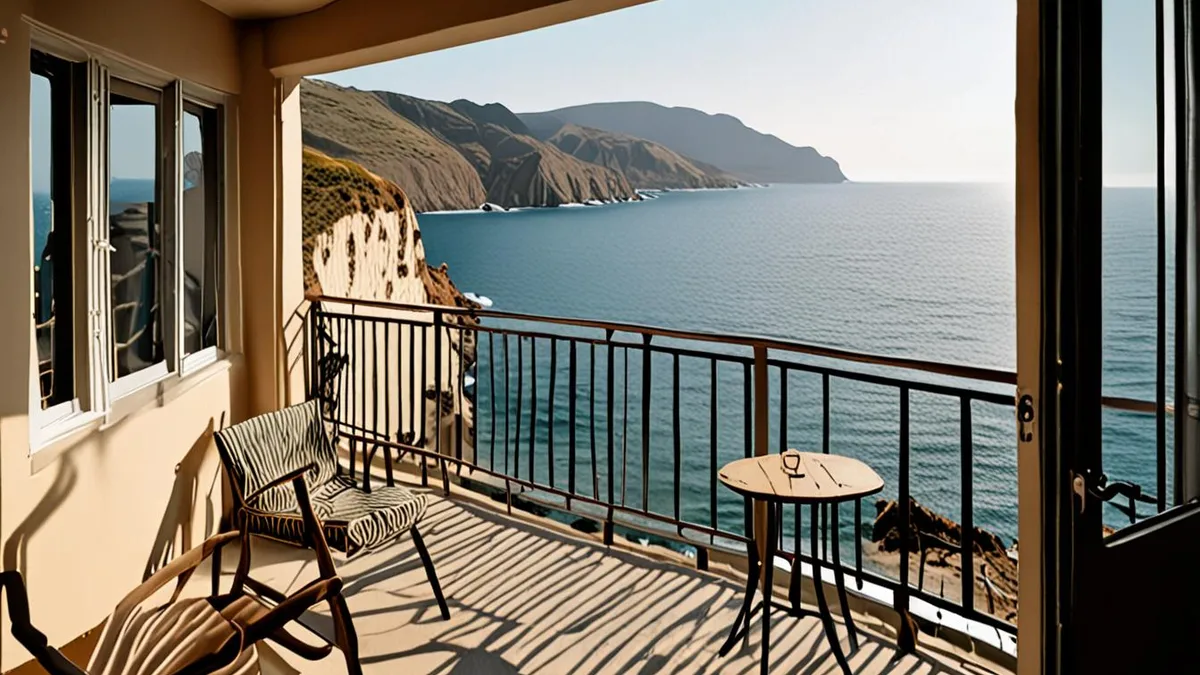
Where the Money Actually Goes: Views, Season and Room Type
Once you’ve picked your town and your dates, the price you’re quoted still depends on choices inside the hotel itself. Two rooms in the same property on the same night can differ hugely, and the difference usually comes down to one word: view. A sea-view room can add 30-60% over an inland-facing room in the same hotel. You’re paying for the window, not for a better bed, better bathroom or better breakfast.
Do you actually need the view in your room?
Think honestly about how you’ll use the room. Most travelers spend their days out exploring, their evenings on terraces and their waking hours at the hotel by the pool or on a balcony. Booking a standard room and enjoying the views from terraces, pools or nearby belvederes keeps the experience without the surcharge. Some of the best panoramas on the coast are free public viewpoints, not hotel windows.
Season and room category stack on top of this. A 3-star double in shoulder season often runs €120-180 per night, while a Positano high-season room can run €300-500. That gap isn’t just the town or the season alone; it’s the combination. A modest hotel in a quieter town in May can cost a third of a sea-view room in Positano in July, with the same coastline waiting outside the door.
The practical move is simple: book the cheapest comfortable room category, then spend the savings on extra nights, a good dinner or the boat trip you’d otherwise skip.
Getting Around Without a Car
You don’t need a rental car on the Amalfi Coast, and skipping one can save you real money. Parking along the coast is scarce and expensive, and many cliffside hotels charge daily fees for a spot that may be several switchbacks below your room. The SITA bus network and the coastal ferries connect most of the towns you’ll want to visit, so a car-free stay is genuinely practical here.
In high season, the ferry often beats the road by a wide margin. The single coastal road gets congested between villages, and a trip that takes 20 minutes by boat can crawl along for an hour or more by bus. Ferries also give you the best angle on the coastline, with pastel villages stacked above the water.
- Buy bus tickets before boarding: SITA buses generally expect you to have a ticket or pass already validated, and tobacco shops and small newsstands in each town sell them. Boarding without one can mean a fine.
- Check ferry operators and routes: More than one company runs seasonal services along the coast, and schedules shift with the time of year. Look at current timetables before you commit to a hotel location.
- Watch the last departure: Both buses and ferries thin out in the evening, especially outside summer. If you want long dinners in Positano or Amalfi, know when your ride home stops running.
- Ask the hotel about luggage transfer: Some properties near bus stops offer help with bags or a shuttle from the nearest drop-off point, which matters a lot on a coast with few flat streets.
The simplest budget move is picking a hotel within a short walk of a bus stop or ferry pier. Hauling suitcases down a long flight of steps to save a few euros isn’t a bargain if you’re doing it twice a day. A well-located base town lets you skip the car, skip the parking fees, and still reach every village on your list.
Booking Tactics That Lower the Final Price
Once you’ve picked your dates and base town, how you book matters almost as much as where. Small family-run hotels along the coast often manage their own pricing, which means the rate you see on a big platform isn’t always the best one available. Unlike large chains, the owner or manager can usually adjust a price, throw in breakfast, or upgrade your room on the spot. A few simple habits can shave a meaningful amount off your final bill, and none of them requires any special skill—just a little patience and a couple of calendar reminders.
- Compare direct rates with booking platforms. Check the hotel’s own website or call or email them directly, then compare with the major booking sites. Family-run properties frequently reward direct guests with perks such as a free upgrade, breakfast included, or a better room category for the same price, since direct bookings save them the commission they’d otherwise pay. When you contact them, mention any rate you’ve found elsewhere and ask politely whether they can match or beat it.
- Book refundable early, then reprice. Lock in a cancellable rate as soon as you know your dates, especially if you’re booking in the 3-6 month window when shoulder-season prices are at their best. Then check the same room again a few times before arrival. If the rate has dropped, cancel and rebook at the lower price. Just read the cancellation terms carefully so you know the deadline.
- Set a calendar reminder to recheck. Put a note in your phone a few weeks before arrival and again about a week out to run your price check. Rates move as hotels try to fill remaining rooms, and a two-minute check can catch the drop. This works best with flexible rates, so avoid this tactic on prepaid bookings.
- Stretch your stay to 4-5 nights. Many coast hotels offer discounted nightly rates for longer stays that short visits never see. Ask directly whether a 4- or 5-night booking qualifies for a better nightly price, even if it isn’t advertised. A longer stay also means you unpack once and settle into a rhythm, which suits the coast’s slow pace.
None of these tactics takes more than a few minutes, and stacking them adds up. A direct booking perk plus a repriced rate plus a longer-stay discount can turn a standard room into the best value on your whole trip. The key is to treat your booking as something you revisit rather than something you set and forget. Travelers who check in on their reservation two or three times before departure often end up paying noticeably less than those who booked once and moved on.
What to Check Before You Confirm
Photos and prices only tell you half the story on the Amalfi Coast. The geography and the rhythm of the seasons here create quirks that can make or break a stay, and they rarely show up in the booking summary. A room can look flawless online, sit in a great town, and still turn out to be a sweaty, sleepless, luggage-hauling headache. Before you click confirm, take a few minutes to check the details that matter most.
Start with access. Many cliffside properties are reachable only on foot, down long flights of steps from the road, which is charming with a daypack and miserable with two suitcases. Then think about comfort: some smaller coast hotels are seasonal businesses, and a few close entirely in the winter months, so make sure the property is open and fully operational for your dates. A quick email to the hotel before booking clears up most of these questions, and the answers tell you a lot about how responsive the staff will be if something goes wrong during your stay.
- Count the steps before you book: If a hotel describes its access as “steps only,” ask how many and how steep. Some properties offer porter service or luggage help if you arrange it in advance.
- Confirm air conditioning specifically: Not every room in an older coast building has it, and in some places it’s seasonal or costs extra. Ask whether your exact room category includes it if you’re traveling in the warm months.
- Check the season of operation: Ask directly whether restaurants, pools, or other facilities run at full service during your stay, since some amenities only operate in the busier months.
- Read the newest reviews for noise: Rooms facing the coastal road take the brunt of passing traffic, and this is the most common complaint in cheaper, road-facing rooms. Scan recent reviews for mentions of street noise, and request a room away from the road if it’s a concern.
- Ask about breakfast and nearby dining: In quieter towns, hotel restaurants and nearby eateries may keep limited hours outside the busiest season, which affects your evenings as much as your room does.
Ten minutes of questions before confirming is the cheapest insurance you can buy. It protects you from surprise climbs, stuffy rooms, and sleepless nights, and it costs nothing but an email. Hotels on the coast get hundreds of inquiries, so keep yours short and specific, and save the replies for reference at check-in.
The Budget-Smart Way to Book the Amalfi Coast
Amalfi Coast hotels look unaffordable at first glance, but the sticker shock usually comes down to avoidable mistakes rather than the destination itself. Many travelers end up overpaying because of a mismatch between what they book and what they actually need — a fancy room category they barely use, a base town chosen for its fame rather than its value, or dates locked in without comparing alternatives. The coastline doesn’t change price; your decisions do.
The encouraging part is that every one of those decisions is in your hands. A quieter village can give you the same sea and the same cliffside scenery as the famous names, a shoulder-month calendar can soften the nightly rate considerably, and a standard room with access to terraces or nearby viewpoints can deliver the postcard experience without the surcharge. Add in a car-free plan built around buses and ferries, and the total cost of the trip drops again — often dramatically.
None of this requires insider connections or luck. It just takes a bit of planning before you hit the booking button, and a willingness to look one town over or one week sideways from the obvious choice. If this helped you plan your trip, leave a comment or share the article with a fellow traveler.