Family resort holidays promise a simple deal: one booking, and everything from meals to entertainment is handled for you. In reality, many families arrive expecting a seamless week and instead discover kids’ clubs with limited places, rooms that barely fit two adults and three children, and extras like excursions or spa treatments quietly added to the bill. The disappointment usually isn’t the resort itself — it’s the gap between what was assumed and what was actually included.
This guide walks through the whole process so there are fewer surprises at check-in. We’ll break down what family resort holidays actually include, help you choose between all-inclusive, beachfront and activity-focused resorts, and cover the best timing for booking and traveling. From there, we’ll look at budgeting beyond the brochure price, packing and preparing your kids, and simple habits once you arrive that make the week run smoothly. By the end, you’ll know exactly what to expect and how to prepare for it.
What Family Resort Holidays Actually Include
Most family resorts work from a fairly standard package. Your base rate covers accommodation, access to the main pools, and either breakfast or full all-inclusive dining depending on the board option you choose. Evening entertainment is usually part of the deal too — think family shows, mini discos, or themed nights around the pool bar. Beyond that, the “resort experience” varies widely, which is why it pays to read the inclusions list carefully rather than assuming everything on site is free.
Kids’ clubs and how they run
Kids’ clubs are the feature many families book around. They typically accept children aged 3-12 and run from around 9am to 5pm, with some resorts adding supervised evening sessions on top. That structure gives parents genuine downtime — a morning by the pool or an afternoon at the spa while the kids do crafts, games and sports with trained staff. Note that some clubs require pre-registration or have limited daily places, so ask about sign-up procedures when you book or check in.
Will your family actually fit in one room?
Family rooms usually sleep 4-5 people, which works for most two-adult, two-child households. Larger families often need connecting rooms instead, and these typically cost 30-50% more than a single family room. If you’re traveling with grandparents or three or more children, factor that premium into your budget from the start — it’s one of the most common cost surprises in family resort holidays. Confirm the exact sleeping configuration with the resort before you pay, since “family room” can mean anything from a genuine two-bedroom suite to a studio with sofa beds.
Choosing the Right Resort Type for Your Family
The first big decision is what kind of resort actually matches your family. There’s no single best option — a resort that’s perfect for a family with a toddler can leave a family with two teenagers bored and restless. Start by thinking honestly about how your kids spend their time and what you want your days to look like.
All-inclusive or room-only?
All-inclusive suits families with young children who want predictable costs. Meals, snacks and drinks are covered, so nobody is counting ice creams, and you can relax without watching a running tab. The trade-off is price: expect all-inclusive rates to run 20-40% higher per night than room-only at the same resort. If your family tends to eat out anyway or you plan lots of excursions away from the property, you may not use enough of what’s included to justify the premium.
Location and age fit
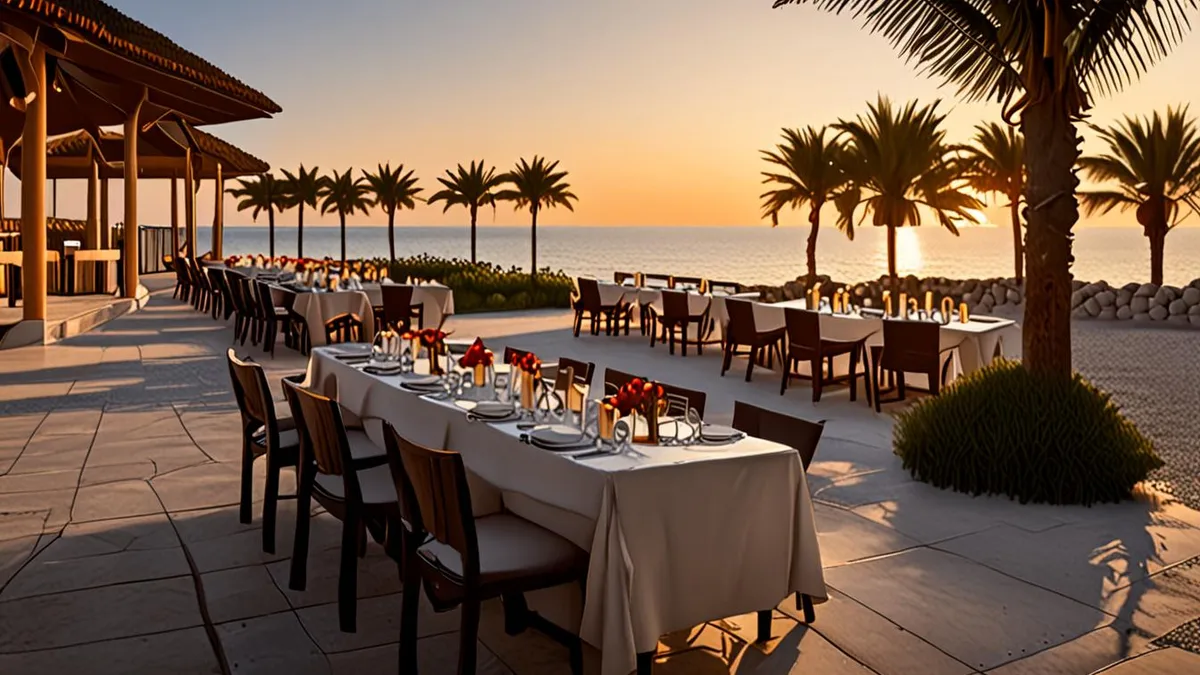
Beachfront resorts suit swimmers and sandcastle days — the ocean becomes the main attraction and you can pop back to the room for naps and dry clothes. Inland or activity resorts suit older kids who want sports, climbing walls, bike trails and organized excursions. Match the setting to your children’s energy, not just the brochure photos.
One check matters more than almost any other: the age range of the kids’ club. A resort with only a teens’ program won’t help with a 4-year-old, and a club capped at age 8 leaves a 12-year-old with nothing structured to do. Verify the club’s age brackets before booking, not after arrival.
When to Book and When to Travel
Timing shapes both the price and the atmosphere of a family resort holiday. Peak season runs from mid-June to early September, when schools are out. That means top pricing, busy pools, and kids’ clubs operating at or near capacity. It also means your children will have plenty of playmates — a real benefit if your kids are social — but you’ll pay for it in both cost and queue time.
The shoulder months change the picture considerably. Traveling in May or late September typically brings noticeably lower rates, along with quieter pools, easier restaurant bookings and more attentive service. Weather in these months varies by destination, so check the local climate before committing, but for many mainstream resort regions the shoulder season offers the best balance of value and comfort.
Whichever window you choose, book early enough to lock in the essentials. Family rooms and kids’ club places are the two things that sell out first, and neither can be improvised at check-in.
- Book 4-6 months ahead for summer travel. This secures a family room configuration that actually fits your group and a kids’ club place during the busiest weeks, when daily capacity fills fastest.
- Book 2-3 months ahead for shoulder season. May and late September trips move slower, so this window is usually enough — and you can often still find late deals if your dates are flexible.
- Confirm room type and club registration in writing. A verbal promise of connecting rooms or a club spot means little at a busy front desk; get the details on your booking confirmation before you pay the deposit.
Budgeting Beyond the Brochure Price
The nightly rate on a booking site is rarely what you actually pay. Before you commit, set a realistic baseline: in mainstream resort destinations, a family room typically runs around $150-400 per night depending on the destination, star rating and season. Anything below that range usually means a smaller room, a longer walk to the pool, or a location away from the main strip.
Then look at what sits outside the package. Excursions, spa treatments, premium drinks and kids’ club outings are rarely included, even at resorts that advertise meals and drinks as covered. A boat trip, a couple of massages and a few off-menu cocktails can add up faster than you expect, so price them roughly before you travel rather than discovering the total on your final bill.
Paying up front or paying as you go?
Choosing between a prepaid meal-and-drinks package and a room-only rate comes down to how your family actually travels. The package costs more per night, but it buys predictability: meals, basic drinks and snacks are covered, and there are no surprises at checkout. To decide whether it pays off, estimate your realistic on-site spending — breakfasts, lunches, dinners, ice creams and soft drinks for the whole family — and compare that total against the premium you’d pay up front. Families who eat most meals at the resort usually come out ahead; those who plan several restaurant nights or excursions may not. Do the math for your own trip, not for an average family, and you’ll book with confidence.
Packing and Preparing the Kids
Packing for a resort trip is mostly about one thing: water. Kids live in the pool and the sea from breakfast until dinner, so swimwear is the item that runs out first. For a 7-night stay, pack three sets of swimwear per child — one drying, one drying, one wearable — plus reef-safe sun protection that works for repeated reapplications through the day. Sunscreen designed for reefs is also kinder to the snorkeling spots your kids will want to explore.
The second category is downtime. Flights, early evenings and the occasional rainy afternoon can undo a happy holiday if you have nothing on hand, so bring one quiet activity per child per day. A small stash of sticker books, card games and drawing pads costs little and saves a lot.
The third category is emotional preparation. Younger children often find kids’ club drop-off harder than parents expect, and a short practice at home makes a real difference. Talk through the routine — where you’ll walk them, who will take their name, when you’ll come back — so the first morning feels familiar rather than frightening.
- Swimwear x3 per child: rotate three sets so one is always dry; quick-dry styles handle repeated pool-to-beach days best.
- Reef-safe sun protection: choose a formula without oxybenzone or octinoxate, and pack after-sun gel for evenings.
- One quiet activity per child per day: wrap small items like puzzle cards or mini coloring sets so each day feels like a new surprise.
- A comfort item for kids’ club: a familiar small toy or photo can ease the first drop-off for children aged 3-5.
Getting the Most from the Resort Once You Arrive
The first 24 hours at a resort set the tone for the whole week. Families who handle a few key tasks at check-in tend to relax faster, spend less time queuing later, and avoid the disappointment of finding their favorite activities fully booked. It sounds like a small thing, but a half hour of planning on arrival day can shape the entire holiday. Here’s a simple order of operations that works whether you’re at a large all-inclusive complex or a smaller beachfront property.
- Sign the kids up for the club on day one. Places fill fast in peak weeks, and popular age groups can be full within a day or two of arrival. Registering at the club desk on your first morning secures your spots for the week and lets staff note any allergies, dietary needs or comfort issues before the first drop-off. Ask at the same time which sessions need advance sign-up, since some resorts run special outings or themed days with limited places.
- Book popular extras at check-in. Character breakfasts, spa slots and similar extras are usually released in limited numbers. Booking them at the front desk during check-in, rather than midweek, means you get the times that fit your family’s rhythm instead of leftovers. If you have your eye on a particular excursion day, confirm it now too.
- Plan a pool-and-excursion rhythm. Alternate pool mornings with one excursion every other day. Young children tire quickly in heat and water, and a full excursion schedule often produces meltdowns by day three. A slower rhythm keeps everyone — including you — enjoying the week.
Once these three steps are done, the resort largely runs itself. Kids’ club sessions, pool time and set mealtimes fill the days, and you can spend your energy on the fun parts rather than the logistics. A little structure on arrival buys a genuinely restful holiday — and it costs you nothing but a short conversation at the desk.
Wrapping Up Your Family Resort Holiday Plan
Family resort holidays promise a break where everything is handled for you, but that promise only holds if you know what you have actually booked. Kids’ clubs with set hours, family rooms that sleep 4-5, and set dining plans shape every other choice you make, from which resort type suits your children to how much you really need beyond the brochure price.
The good news is that the preparation is simple. Lock in your dates early enough to secure a family room before they disappear, or shift your trip to May or late September to pay 20-40% less and share the pool with fewer people. Pack three sets of swimwear per child for a 7-night stay, budget for the extras that all-inclusive rarely covers, and sign the kids up for the club on day one. Do that, and the resort genuinely does the rest. If this helped you plan, share it with another family or leave a comment below.