You’ve found a stunning safari tent by a lake or a glass dome under the northern lights, and now comes the tricky part: when to actually book it. Pick the wrong month and you could be shivering through the night, sweating through the afternoon, or paying peak-season prices for weather that didn’t show up. Finding the best time for glamping isn’t as simple as it sounds, because the ideal window depends on your unit type, your budget and how far ahead you can plan.
This guide walks through the glamping calendar season by season. We’ll look at why timing matters more for glamping than for a regular hotel stay, what spring, summer, autumn and winter each bring in terms of weather, crowds and rates, and how to match your priorities — comfort, budget or spontaneity — to the right months. By the end, you’ll know exactly when to book for the trip you have in mind.
Why Timing Matters More for Glamping Than Hotel Stays
At a hotel, a rainy night means you watch it from behind a window. At a glamping site, the weather is much closer to you. Tents, domes and yurts are far more exposed to the elements than hotel rooms, so the season you choose directly shapes how comfortable you’ll be. A canvas tent that feels magical on a warm June evening can feel drafty and damp on a cold October night.
The differences between unit types matter just as much as the differences between seasons. Heating, cooling and insulation vary widely: a basic bell tent might have no heating at all, a yurt may rely on a small wood stove, and an insulated geodesic dome can be warm even in deep winter. Booking a lightly insulated unit for the wrong season is a costly mistake — you may end up paying for a stay you spend half of huddled under blankets.
Prices swing harder, too
Glamping rates are also more volatile than hotel rates. Because supply at popular sites is small — often just a handful of units — demand moves prices sharply. Peak summer rates can run 20-40% higher than shoulder months at the same site. In other words, the exact same tent in the exact same spot can cost dramatically more in August than in May or September, which is why choosing your dates carefully is one of the biggest levers you have on both comfort and cost.
Spring Glamping (March-May): Mild Days, Chilly Nights
Spring is the season of quiet trails and fresh green landscapes, but it comes with a catch: the nights. March and April bring fewer crowds and lower rates than summer, yet night temperatures can drop to 5-10°C (40-50°F). That’s cold enough to make an unheated tent genuinely uncomfortable, so if you’re booking early in the season, choose a unit with proper heating — a stove, electric heater or an insulated structure.
Why May is the compromise month
May is arguably the best all-round spring choice. Days are properly warm, landscapes are at their most blooming, and rates typically still sit below peak summer levels. You get much of the summer experience without peak-season prices or peak-season crowds, and evenings are usually mild enough for sitting outside.
What to check before an early spring booking
Pack layers no matter which spring month you choose — a warm afternoon can turn into a chilly evening fast. Before booking in March or April, ask the site two specific questions: are the showers and bathroom facilities heated, and are the common areas? Walking back from a cold shower at night is nobody’s idea of glamping. A short message to the site before you pay can save you a miserable first glamping experience.
Summer Glamping (June-August): Peak Season Trade-Offs
Summer is when glamping is at its most popular, and for good reason. In most regions, peak season runs from late May through early September, bringing the most reliable weather of the year: warm evenings, dry skies and long daylight hours for campfires and stargazing. The trade-off is that everyone else wants the same thing, so this is when prices peak and sites are at their busiest.
Book early — or go midweek
If your heart is set on a peak summer weekend, plan well ahead. Popular units — especially showpiece domes and treehouses — typically require booking 3-6 months in advance for summer weekends. Leave it late and you’ll often find only the least desirable units left, or nothing at all.
The easiest way to soften both the price and the crowds is to shift your stay to midweek. Midweek summer stays are usually 15-30% cheaper than weekends, and they’re often just as pleasant: quieter sites, easier access to shared facilities and a calmer atmosphere overall. If your schedule allows even one or two weekday nights, that small change can make a peak-season trip noticeably cheaper and more relaxing without sacrificing the reliable summer weather that makes this season so appealing in the first place.
Autumn Glamping (September-October): The Sweet Spot for Value
Autumn is when glamping quietly becomes brilliant. In many regions, September keeps the summer-like daytime warmth you enjoyed in August, but rates ease back considerably once the peak season crowds thin out. You get the same long, golden evenings and warm-weather activities, with more availability and calmer campgrounds.
October shifts the mood entirely. Fall foliage turns forested sites into some of the most photogenic settings of the year, and cool evenings make fire pits, blankets and hot drinks part of the experience rather than a workaround. This is the season when heated tents and cabins truly shine: the warmth inside feels earned when there is a crisp chill outside.
Booking autumn stays
Because demand softens after summer, shoulder-season availability is far more generous. You can often book a trip just 2-6 weeks ahead and still find good units on desirable sites. That flexibility makes autumn ideal for spontaneous weekends, though popular foliage destinations can still fill up on peak color weekends, so check availability early if your dates are fixed.
One practical note: nights in September and October can turn surprisingly cold, so confirm your unit has heating before you book. A cozy stove or heater turns a chilly evening into part of the charm; without one, it can cut your trip short. If you are booking late in the season, prioritize insulated cabins or domes with a reliable heat source over basic canvas tents, and ask the site how showers and common areas are kept warm once autumn sets in.
Winter Glamping (December-February): For the Well-Prepared
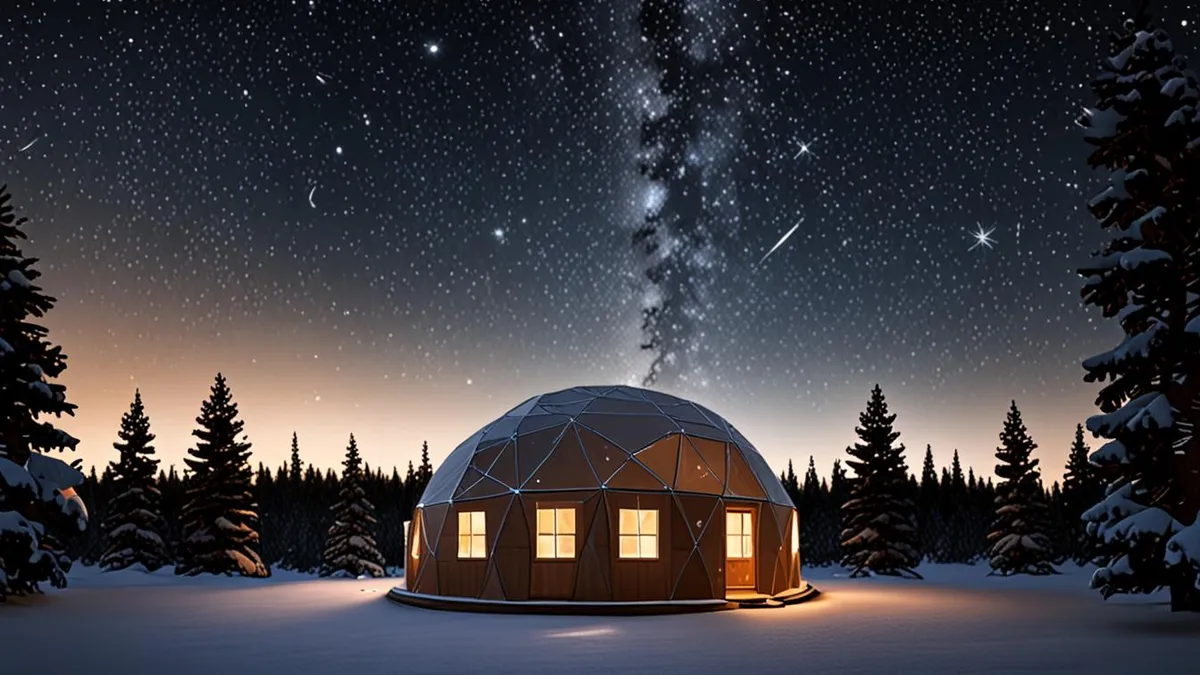
Winter glamping is a different pursuit altogether, and it only works with purpose-built units. A standard summer tent, no matter how stylish, is not designed for freezing nights. What does work are insulated geodesic domes, heated cabins and yurts equipped with wood stoves — structures engineered to hold warmth when temperatures fall well below what a spring or autumn night brings.
The reward for choosing the right setup is considerable. December through February brings snow-covered landscapes, long dark skies perfect for stargazing, and the lowest crowds of the entire year. A dome with a clear ceiling over a snowy field, or a cabin with a stove crackling while frost forms outside, delivers an atmosphere no summer trip can match.
What to confirm before booking
Winter is the one season where you should question a host in detail before paying. Ask specifically about the heating type — is it a wood stove, an electric heater or a full central system — and how the unit performs overnight. Insulation matters just as much: a dome that is comfortable in October can be miserable in January if it lacks proper insulation.
Hot water is the third essential. Frozen pipes and limited hot-water supply are real possibilities in deep winter, so confirm that showers and kitchen facilities are reliably functional. A little due diligence here is the difference between a magical snowscape escape and a shivering night spent regretting the booking.
How to Choose Your Best Time for Glamping
With four very different seasons on the table, the right time for glamping comes down to what you value most. There is no single best month — only the best month for your priorities. Start by deciding which of the three big factors matters most to you: comfortable weather, a lower bill or the freedom to book on short notice. Once you rank them, the calendar narrows down quickly.
If weather comfort is your priority, aim for the transition months. May, September and early October offer the best balance of mild days and lower rates, sitting outside the peak-season price surge while still delivering pleasant conditions for most of the day. Just remember that nights in these months can feel genuinely cold, so confirm your unit has proper heating before you commit.
If budget leads your planning, target midweek stays in shoulder months. Sites are quieter, shared facilities are less crowded and you get the same landscapes for noticeably less money. If you crave spontaneity, shoulder-season trips can often be booked just 2-6 weeks out, while peak summer weekends typically need 3-6 months of advance planning.
- Check the unit type against the season. A basic safari tent may be perfect in July but uncomfortable in April, while a heated dome or cabin extends your usable season into the colder months.
- Match your dates to the experience you want. Foliage, wildflowers, snow and stargazing all peak in different months, so pick the window that delivers the scenery you are after.
- Book midweek whenever your schedule allows. Beyond the lower rates, midweek stays often mean easier access to fire pits, quieter mornings and a more relaxed atmosphere overall.
Wrapping Up the Glamping Calendar
So, when is the best time of year for glamping? The honest answer is that every season can work, but comfort, price and crowds shift dramatically between them. A dome that feels magical in October can be a tough sell in January, and a site that’s peaceful in April may be fully booked by July. The season you choose shapes the whole experience, not just the scenery.
As a quick recap: summer offers the safest weather, autumn the best value, spring the quietest start and winter the most atmospheric stays. If you want the simplest all-around answer, aim for May, September or early October, when days are mild, rates sit well below peak and sites are easier to book. Above all, match your unit type and priorities to the right months, because that’s what turns a good glamping trip into a great one. Have a favorite season for sleeping under canvas? Share it in the comments, or pass this guide along to a friend planning their first trip.