Planning your first safari is exciting until you start searching for a place to stay. Suddenly you’re facing dozens of lodges across several countries, with nightly rates that range from a few hundred dollars to more than a mortgage payment, and no clear way to compare them. Location, season, lodge size, what’s included in the rate — every choice affects the others, and it’s hard to know where to start.
This guide walks you through the process step by step. You’ll learn how to decide your budget before you browse, pick the right season for your first safari, and match a lodge’s location to the wildlife you actually want to see. We’ll also break down what the rate really includes, how to choose a safari lodge size and style that suits you, and when to book and how long to stay. Follow these steps in order and the decision becomes far simpler.
Decide Your Budget Before You Browse
The fastest way to narrow your options is to set a realistic nightly budget before you open a single lodge website. Safari pricing comes in two broad tiers, and knowing which one you’re shopping in saves hours of scrolling through properties you’ll never book.
What each tier typically buys you
Mid-range lodges typically run $250-600 per person per night, and that rate is usually all-inclusive, covering your meals and the daily game drives. At this level you can expect comfortable en-suite rooms or tents, good food and experienced guides, without the designer touches of the top end.
Luxury lodges start around $800 per person per night and can exceed $1,500, especially in famous reserves during peak months. For that you generally get private guides, finer dining, fewer guests per vehicle and spectacular settings — but the wildlife viewing isn’t necessarily better than at a well-run mid-range property nearby.
Don’t forget the extras
Whatever tier you choose, budget separately for the costs that are often excluded from the nightly rate: park entrance fees, road or air transfers between the lodge and the nearest hub, and tips for guides and camp staff. These can add a meaningful amount per person over a multi-night stay, so ask each lodge for a full breakdown before you commit. A lodge that looks like a bargain may cost more overall than a slightly pricier one that bundles everything in.
Pick the Right Season for Your First Safari
Timing shapes your safari more than almost any other decision. The same lodge, in the same park, can deliver completely different experiences in July and in February — and charge very different rates for each.
The dry season from June to October is when most parks deliver their best wildlife viewing. Water becomes scarce, so animals concentrate around rivers and waterholes, and shorter grass makes them easier to spot. The trade-off is demand: this is peak season, so lodges fill early and charge their highest rates.
The green season, from November to March, brings afternoon showers, lush landscapes and noticeably lower rates — often 30-40% cheaper than peak season. It’s also when many herbivores give birth and when migratory birdlife arrives, which photographers and birders especially value.
If you want a middle path, consider the shoulder months. May and November sit between the two seasons, balancing decent game viewing with softer prices and fewer vehicles at sightings.
- Dry season (June-October): expect chilly early-morning game drives, so pack warm layers — the cold at dawn surprises many first-timers.
- Green season (November-March): afternoon rains can make some dirt roads muddy, and a few remote camps close or reduce their operations during this period.
- Shoulder months (May and November): rain patterns shift year to year, so ask your lodge directly what conditions were like in recent seasons before committing.
Whichever window you pick, remember that wildlife is never guaranteed in any season — you’re improving your odds, not purchasing certainty.
Match the Lodge Location to the Wildlife You Want
Once you know your budget and travel dates, the next question is where to stay — and the honest answer starts with the animals. Decide which species matter most to you before you fall in love with a lodge’s website photos.
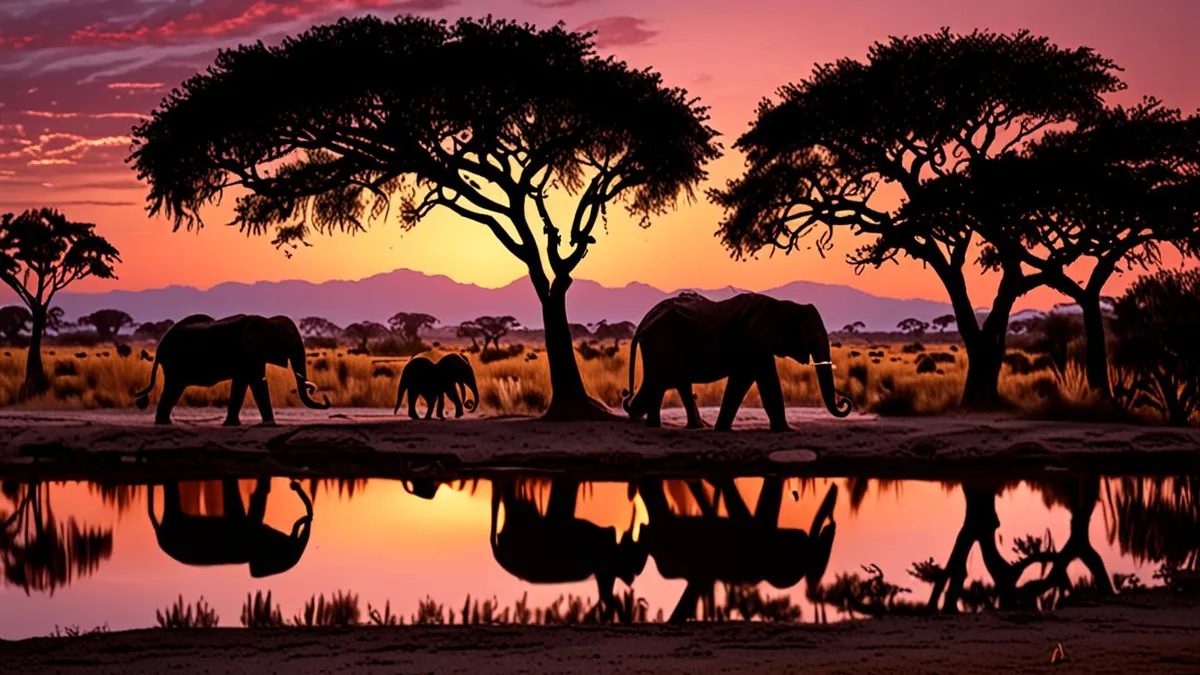
This sounds obvious, but many first-timers do it in reverse: they find a beautiful lodge, then discover it’s three hours from the wildlife they dreamed of. If elephants are your priority, look at regions famous for them; if you’re hoping for predators, focus on areas known for reliable big cat sightings. Choose your priority species first, then pick a region known for it, and your shortlist will build itself.
Park-adjacent versus conservancy
Lodges inside or bordering a national park give you faster access to morning game drives, which matters more than you might expect. Predators are most active at dawn, and a lodge ten minutes from the park gate gets you into position while the light is still golden. A lodge a long drive away means a pre-dawn start just to reach the wildlife.
Private conservancies on park borders work differently. Because they’re privately managed, they typically allow off-road driving to approach sightings and night drives after dark — activities that national parks often restrict. You’ll usually share sightings with fewer vehicles too, which makes for a calmer, more intimate experience.
Neither option is universally better. If your heart is set on iconic landscapes and big-name parks, stay inside or beside one. If you value flexibility, exclusivity and the chance of a leopard hunt under spotlight, a conservancy lodge may suit you better. Ask any lodge you’re considering exactly where its drives take place and how long it takes to reach the best wildlife areas from its gate.
Understand What the Rate Actually Includes
Before you compare photos of tented suites and fire pits, look closely at what the nightly rate actually covers. Most safari lodges bundle two daily game drives of roughly 3-4 hours each into the price, usually one at dawn and one in the late afternoon when animals are most active. That structure is the backbone of your day, so it pays to know exactly what else comes with it.
The fine print matters more on safari than at a beach resort. A rate that looks affordable can grow quickly once drinks, laundry and park or conservancy fees are added, especially over a 3-4 night stay. All-inclusive rates cost more upfront but make budgeting far simpler, since meals, drives and drinks are already covered. Budget lodges that charge separately can work out cheaper, but only if you add up every line item honestly before booking.
Here are the items most likely to catch first-timers off guard:
- Drinks: some lodges include soft drinks, beer and house wine but exclude premium spirits, champagne and imported wines, which are billed at cellar prices.
- Laundry: often free at small camps but charged per item at larger lodges, and it can add up over a week of dusty game drives.
- Bush flights: light-aircraft transfers between the airport and the lodge airstrip are almost always quoted separately and priced per seat.
- Conservancy and park fees: these government or community charges are usually billed on top of the rate and change regularly, so ask for the current amount when you book.
- Extra activities: walking safaris, night drives, boat trips and spa treatments frequently sit outside the standard rate even at high-end properties.
How to Choose a Safari Lodge Size and Style
Safari properties come in every shape, from a handful of canvas tents to sprawling lodges with dozens of rooms. Size changes the feel of your trip more than star ratings do, so decide early what kind of atmosphere you want.
Small camps versus large lodges
Small camps of 6-12 tents feel intimate and personal. Meals are often shared around one table, guides know every guest by name, and the staff-to-guest ratio is high. The trade-off is fewer facilities and less privacy if you would rather not socialize every evening.
Larger lodges of 40+ rooms offer pools, spas, kids’ clubs and family rooms, which makes them a solid pick for travelers with children. You get more amenities and more anonymity, but game drives may carry more vehicles and dinner can feel more like a hotel than a bush camp.
Why mid-size often wins for first-timers
Many first-timers are happiest at mid-size properties, which combine guided drives with a mix of social and private space. You can join other guests for dinner when you want company and retreat to your own veranda when you do not, without the resort scale of a big lodge.
Style matters as much as size. If watching elephants at a waterhole from a hide sounds like your idea of heaven, prioritize lodges that have one. If you want to cool off between drives, look for a plunge pool. And if walking safaris appeal to you, check that the property offers them, since not every lodge does.
Booking Timeline and Stay Length
Good safari lodges in the best locations sell out long before most travelers start planning, so your timeline matters as much as your budget. The most sought-after camps in popular parks can be fully booked many months out, especially for peak-season dates when demand is highest. A little structure here saves both money and disappointment, and it prevents the common mistake of choosing a lodge first and trying to build a trip around it afterward.
- Set your dates and season first. Your travel window shapes everything else, from which animals you are likely to see to how much availability remains. Lock in rough dates before comparing specific properties, because a lodge that looks perfect in one month may be a poor fit in another.
- Book 9-12 months ahead for peak-season stays. Lodges in popular parks have limited rooms, and small camps often have fewer than a dozen tents in total. Early booking is frequently the difference between your first choice and your fourth, so treat it as a deadline rather than a suggestion.
- Factor in transfer time between camps. Bush flights from hubs like Nairobi or Johannesburg typically take 1-2 hours, and road transfers can take considerably longer. Build these journeys into your itinerary so you are not losing prime game-viewing hours to logistics.
- Decide whether to split your trip. Two lodges add variety, since different regions and habitats mean different animals, but each extra stop adds transfer cost and typically costs you around half a day of game viewing.
- Confirm the details before paying. Recheck what the rate includes, current park or conservancy fees and flight schedules, since these can change between the time you research and the time you book.
Once this sequence is done, the rest of your planning falls into place. Flights, packing and anticipation follow naturally from a confirmed lodge, and you can spend the months before departure learning about the animals you hope to see rather than worrying about logistics. A well-timed booking also gives you leverage: more room categories to choose from, better chances of special requests being honored and time to arrange extras like walking safaris or private vehicles if the lodge offers them.
Your First Safari Lodge, Sorted
Choosing your first safari lodge feels overwhelming because there are dozens of options and every one seems to trade something off: price against location, comfort against wildlife access, convenience against exclusivity. The way through is simpler than it looks. Set your budget, choose your season, match your location to the wildlife you most want to see, and book early.
Once those four decisions are made, the remaining lodge options narrow quickly, and the trade-offs become easy to weigh. A 3-4 night stay at the right lodge turns a first safari into a lifelong memory. If this guide helped you plan your trip, leave a comment or share it with a fellow traveler.