Almost everyone dreams of a mountain lodge getaway, but few travelers stop to ask which season actually fits the trip they have in mind. The lodge that looks perfect in a summer photo might be buried in snow in January, and the cozy fireside retreat you book in October could be a very different experience in July. Choosing the right month matters as much as choosing the right lodge.
This guide walks you through the full calendar. We’ll look at why timing shapes your stay, then break down the winter snow season, the summer hiking season, the quiet shoulder seasons and the short but spectacular autumn color window. Finally, you’ll find practical booking advice and a quick summary to help you match your season to your budget and your favorite activities.
Why Timing Shapes Your Mountain Lodge Getaway
Book the same mountain lodge in three different months and you can end up on three completely different trips. In February you might step out the door onto skis; in July you’ll trade the ski rack for hiking boots; and in May you could have the lounge fireplace almost to yourself. The building stays the same, but the experience around it changes with the calendar.
Season affects nearly every part of your stay. It drives price, crowd levels and which trails are open, and it also decides which lodge amenities are running. A spa, restaurant or terrace that operates at full swing in mid-winter may work on reduced hours between seasons. Snow cover, lift schedules and even the view out of your window all depend on when you arrive.
The most common booking mistake
The biggest error travelers make is choosing a season that doesn’t match their goals. Booking a lodge for its swimming pool and terrace in November, when many facilities scale back, is a classic example. Before you pay a deposit, be honest about what you want from the trip, whether that’s skiing, hiking, photography or pure quiet, and then pick the months that actually deliver it.
Winter: Snow Season from Mid-December to Early April
For many travelers, winter is the classic version of a mountain lodge getaway. Ski-in, ski-out lodges let you clip into your boots at the door and be on the slopes minutes later, and evenings end the way winter postcards promise: a fire in the lounge, hot drinks and snow falling outside the window. If skiing or snowboarding is the point of your trip, this is your season.
In most alpine regions, the ski season runs from mid-December to early April, though exact dates vary by resort and by how much snow falls each year. Within that window, not all weeks cost the same. Christmas and New Year, along with February half-term, are the peak-price weeks, when rates climb and lodges fill with families and holiday crowds.
Why January midweek wins
The sweet spot for many winter travelers is January, especially midweek. Snow cover is often reliable by then, the holiday rush has passed and rates typically sit well below the Christmas and half-term peaks. You trade a little festivity for quieter slopes, easier restaurant bookings and more space by the fire.
Keep in mind that conditions are never guaranteed. Check snow reports and lodge availability for your specific dates before booking, and if you must travel during the holiday weeks, reserve as early as you can.
Summer: Hiking Season from June to Early September
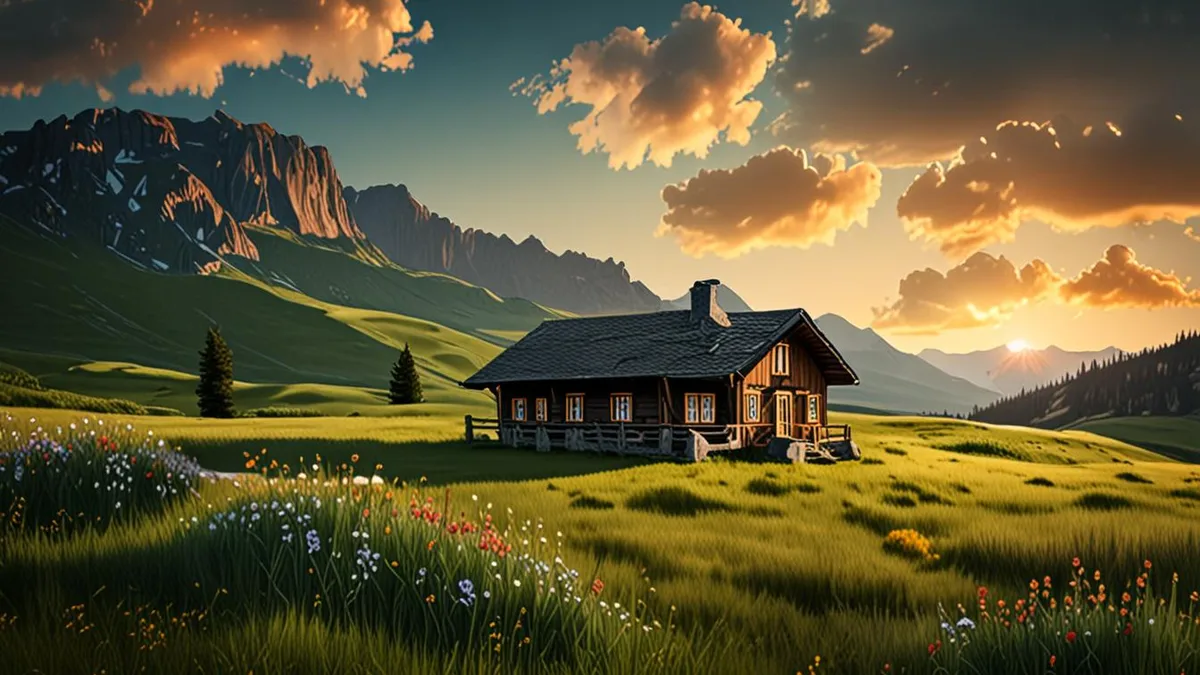
When the snow melts, a mountain lodge getaway shifts shape completely. From June to early September, trails open across the high country, daylight stretches late into the evening and the lodge terrace replaces the ski lift as the place to be. Hiking, mountain biking, swimming in alpine lakes and simply reading with a mountain view all come into their own.
But summer has its own crowd pattern. July and August are the busiest months, and lodges near lakes and trailheads fill fastest, since those locations give guests direct access to water and walking routes. If you want a specific lakefront or trailside lodge in peak summer, you’ll need to plan further ahead than you might expect.
The quieter edges of summer
Late June and early September are the insider’s choice. Weather in these windows is often close to peak-summer quality, with warm days and open trails, yet visitor numbers drop noticeably once school holidays end or before they begin. You get the same long daylight and full lodge facilities with more elbow room on the trail and a calmer dining room.
As always in the mountains, weather can change quickly, so pack layers and check trail conditions locally before setting out on longer hikes.
Shoulder Seasons: Late April-May and October to Mid-December
If your priority is price rather than a packed activity calendar, the shoulder seasons are hard to beat. Stays in late April-May and October to mid-December often cost 30-50% less than the same room in high season, which can turn a splurge lodge into an affordable treat or stretch a short break into a full week.
The trade-off is that you are traveling between the lodge’s two busy operating periods. Some properties scale back during these months: restaurants may run shorter hours, spas can close for maintenance or staff breaks, and shuttle services or guided activities may be reduced. Before you book, ask the lodge directly what will actually be open during your dates so there are no surprises at check-in.
Who the shoulder seasons suit best
These windows reward travelers who are happy with simple pleasures. Trails are quiet, reading nooks by the fire are all yours, and the pace feels genuinely restful rather than scheduled. If you need a full ski area, every lift running, or a busy events program, a shoulder-season visit may feel thin. But if your ideal mountain day is a long walk, a good book and an early dinner, the quiet and the savings make these months the smartest time to go.
Autumn Colors: Late September to Mid-October
For many travelers, late September to mid-October is the single most beautiful time to stay in a mountain lodge. In northern mountain regions, foliage peaks during this short window, turning hillsides into layers of gold, orange and deep red. Waking up to that view from your window, coffee in hand, is the kind of scene that fills a camera roll in a single morning.
The timing also works in your favor on price and comfort. Rates typically stay below summer levels, yet most lodge facilities remain open because the property is still running its warm-season operation. You can often combine a day hike on crisp, clear trails with a sauna or a hearty dinner in the evening, without summer crowds on the paths or at the table.
Why you need to book this window early
The catch is simple: the color season is short, and everyone who has experienced it once wants to come back. Color-season weekends sell out quickly, sometimes months in advance, especially at lodges with panoramic views. If a foliage trip is on your list, reserve as early as you can and consider a midweek stay, which usually offers better availability and a calmer atmosphere on the trails.
How to Book the Best Mountain Lodge Getaway
Once you have picked your season, a few booking habits make the difference between landing the lodge you hoped for and settling for whatever is left on the map. The good news is that the strategy changes depending on when you want to travel: high season rewards early planners, while shoulder months forgive a more spontaneous approach. That said, even shoulder-season bargains require a little homework, because reduced rates often come with reduced services. Before you commit to a deposit, take the time to match your booking timeline to your travel dates, ask the right questions about what will actually be open, and be honest with yourself about what you want from the trip. A lodge that sounds perfect on paper can disappoint if the spa is shut, the restaurant runs limited hours or the lift you planned to use is closed for the season. Follow these four steps and you will avoid the most common (and most expensive) surprises.
- Reserve 3-6 months ahead for high-season dates. The most sought-after lodges, especially those with ski-in access or prime views, fill their best rooms well in advance. Booking 3-6 months out gives you the widest choice of room types and dates instead of settling for what remains.
- Use shoulder seasons for flexibility. If your dates fall in late April-May or October to mid-December, you can often book closer to your travel window and still find good availability. This is the time to be opportunistic and watch for late openings.
- Weigh peak winter rates against your priorities. Peak winter week rates often run 40-60% above shoulder-season prices. Ask yourself honestly whether you will use the slopes daily, or whether a quieter, cheaper month would serve you just as well.
- Confirm which amenities operate in your chosen month. Restaurant hours, spas, lifts and shuttles can all change between seasons. Email or call the lodge before paying a deposit and get confirmation of exactly what will be open during your stay.
A little preparation goes a long way in the mountains. Ten minutes of checking dates, rates and facilities before you book protects both your budget and the experience you imagined. It also gives you leverage: if a lodge knows you have compared options, you are in a stronger position to ask about room upgrades, flexible cancellation terms or airport transfers. Keep a simple shortlist of two or three properties so you can move quickly if your first choice is full, and always read the cancellation policy carefully before paying any deposit. Mountain weather and personal plans both change, so build in room to adjust. Do that, and you can spend the weeks before your trip looking forward to the view rather than worrying about the fine print.
Choosing Your Season at a Glance
So, which season fits your trip? If skiing and fireside evenings top your list, aim for the snow window from mid-December to early April. If open trails and long daylight matter more, the summer season from June to early September is your match. Travelers who care about quiet trails and lower bills should look at the shoulder seasons, where rates typically drop 30-50% below high-season prices in exchange for some partial closures.
Whichever direction you lean, the same rule applies: booking 3-6 months ahead protects both your price and your choice of rooms. Match the season to what you actually want to do, and the lodge will deliver the trip you pictured. Still torn between two windows? Tell us your travel style in the comments, or share this article with a friend planning the same getaway.