You’ve seen the photos: a timber lodge on a glassy lake, steam rising off a hot tub, not a road in sight. But when you start researching an actual booking, the questions pile up fast. What does a wilderness lodge actually include? Is Wi-Fi really nonexistent? And is $500 a night a rip-off or a reasonable price for meals, guides and a floatplane transfer?
This guide walks you through what to expect before you commit. We’ll explain what a wilderness lodge really is, from simple cabins to upscale all-inclusive retreats, and what standard rooms and amenities look like. Then we’ll break down what all-inclusive rates cover, how costs shift between peak and shoulder season, and when to reserve for the best availability. Finally, we’ll cover transfer logistics and a packing list suited to remote, low-connectivity conditions. By the end, you’ll know exactly what you’re paying for and how to plan a stay that fits both your budget and your idea of getting away from it all.
What a Wilderness Lodge Really Is
A wilderness lodge is remote, nature-focused accommodation that ranges from a simple self-catering cabin to an upscale all-inclusive retreat with guides, chefs and spa-style extras. What they share is the setting: forest, lakeside or mountain locations far from towns, where the landscape itself is the main attraction rather than a backdrop.
These properties are usually small. Many have somewhere between 10 and 40 rooms or cabins, which keeps the atmosphere intimate but also means availability is limited. You won’t find a lobby full of tour buses or a buffet line stretching out the door. Instead, you’ll likely share meals and fireplaces with the same handful of guests all week.
Why access shapes the experience
Getting there is part of the deal. Many lodges are reachable only by boat or floatplane, while others sit at the end of a long gravel-road drive. This limited access does two things: it keeps crowds away, and it pushes prices up, since the lodge has to fly or boat in food, fuel and staff. It also affects how you pack, because once you’re in, there’s no quick run to a store. Check your lodge’s access details early so you know what you’re signing up for.
Room Types and Standard Amenities
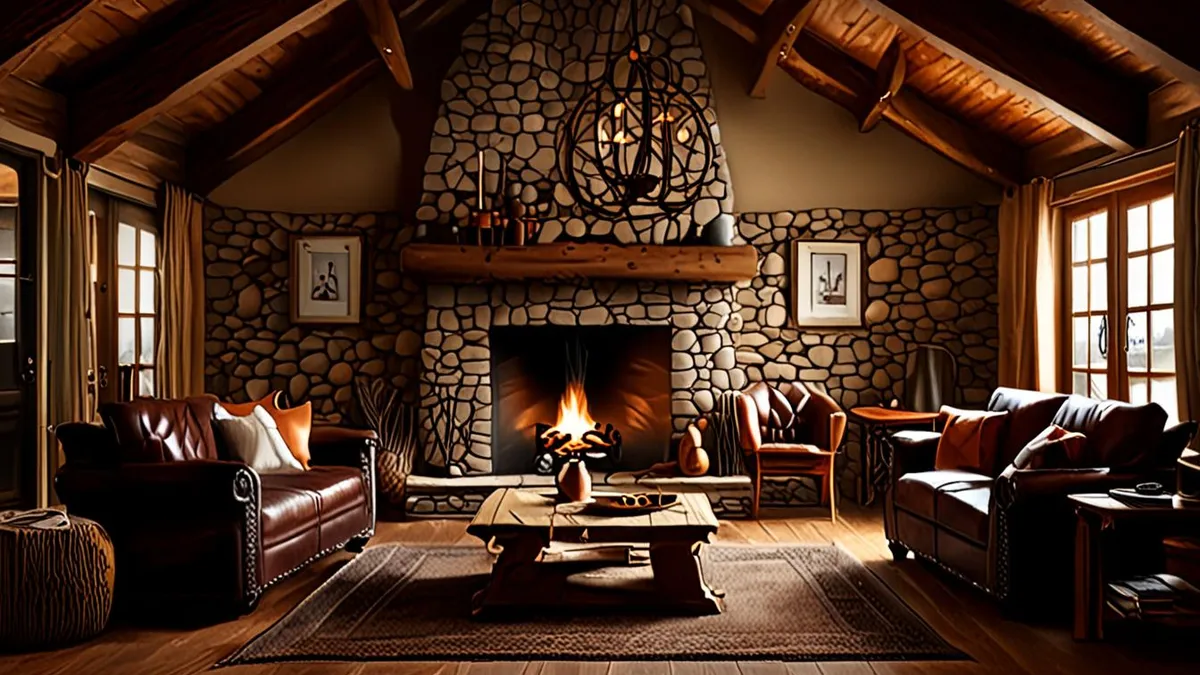
Accommodation at a wilderness lodge typically means either a private cabin or a room in the main lodge building. Cabins often come with a wood stove you’ll be shown how to light, an en-suite bathroom, and a window framing a lake or forest view. Lodge rooms are usually simpler but still private, and many guests find the wood stove becomes the centerpiece of the evening.
Meals are a highlight at most full-service lodges. Expect home-cooked food served in a shared dining hall, where fixed seating and long tables make it easy to swap trail stories with other guests. Beyond your room and the dining hall, most lodges offer a few communal spaces designed for slow evenings. Common examples include:
- Lounges with fireplaces: usually stocked with books, board games and maps of the surrounding area, ideal for planning the next day’s outings.
- Saunas or hot tubs: often positioned with a view of the water or forest, and especially welcome after a cold day of hiking or paddling.
- Docks and fire pits: many lakeside lodges have a swimming or kayak dock plus an outdoor fire area for evening gatherings under the stars.
One thing to prepare for is the lack of connectivity. Wi-Fi is often limited to a single spot in the main lodge, slow, or absent entirely, and cell coverage can drop out for miles. Many lodges openly market this disconnect as a feature, so go in expecting an offline week rather than fighting it.
What All-Inclusive Rates Cover
All-inclusive pricing is the most common model at full-service wilderness lodges, and it typically bundles three things: your accommodation, three daily meals, and a set of guided activities such as hikes, kayaking or wildlife tours. The appeal is predictability. One rate covers your bed, your food and your daily adventures, which makes budgeting far easier than à la carte pricing.
Transfers: included or extra?
Here’s where many travelers get caught out. Transfers by boat or floatplane are sometimes included in the all-inclusive rate and sometimes billed separately, and the difference can be significant on a remote property. Confirm this with the lodge before booking, and ask whether the transfer fee is per person or per group.
Even at genuinely all-inclusive lodges, a few extras almost always land on your final bill. Alcohol is the usual one, since most rates cover meals but not drinks. Premium excursions beyond the standard activity program, such as a full-day guided fishing trip or a helicopter outing, typically cost extra as well. And gratuities for guides and staff are customary at most lodges, so set aside a budget for tipping at the end of your stay. Ask the lodge for guidance on typical tipping amounts when you book so you can plan for it.
Wilderness Lodge Costs by Season and Stay Type
Wilderness lodge pricing spans a wide range, and knowing where you fall on that spectrum makes budgeting much easier. A basic self-catering cabin, where you cook your own meals and handle your own logistics, typically starts around $150 per night. At the other end, full-service lodges with meals, guided outings and staff support generally run $300-600+ per person per night.
Timing matters just as much as lodge type. Peak season runs June through August, when weather is warmest and wildlife is most active, and rates during those months tend to sit 30-50% above shoulder-season prices. If your dates are flexible, the shoulder seasons of May-June and September-October deliver the same lodges, meals and views at noticeably lower rates, often with fewer guests sharing the dining hall and docks.
One cost that surprises many first-time guests is guided activities. Even at full-service lodges, some excursions are billed separately from your nightly rate.
- Guided activities such as kayaking, wildlife tours or hikes often add $75-250 per person per day when they are not included in your rate, so a week of daily excursions can rival the cost of the room itself.
- Per-person pricing means a couple pays double: a $400 per person nightly rate becomes $800 per night for two, which catches travelers who are used to per-room hotel pricing.
- Shoulder-season savings compound: booking late September instead of mid-July can shave 30-50% off the nightly rate, and lodges may also have more flexibility on room upgrades when they are less full.
- Ask whether activities are priced per outing or per day, since a full-day fishing trip and a two-hour guided hike may fall at very different points within that $75-250 range.
How to Book and When to Reserve
Booking a wilderness lodge is closer to reserving a small ship than a hotel room. These properties have a fixed, limited inventory and no way to add rooms when demand spikes, and most of their business is concentrated into a single season of strong demand. That combination means the best cabins and the most popular dates go early, and a canceled booking is hard for the lodge to refill. Payment terms also differ from standard hotels: expect larger deposits, stricter cancellation windows and, in some cases, full payment well before arrival. A little planning saves both money and disappointment, so work through these steps in order.
- Pick your season first. Decide whether you want peak season, June through August, for the warmest weather and fullest activity calendar, or a shoulder-season window in May-June or September-October for lower rates and quieter trails. This choice shapes every later step.
- Reserve 6-12 months ahead for summer stays. In popular national park regions, small lodges fill fast for June-August dates, and some open their books a year in advance. If you are aiming for peak season, treat booking as a task for the previous fall or winter.
- Compare shoulder-season dates before committing. If your schedule allows, price the same lodge for early June or late September. You will often find noticeably lower rates with the same amenities, meals and guided activities included.
- Ask about minimum-stay requirements. Many remote lodges require 3-4 nights or more, partly because transfers by boat or floatplane make short visits impractical. Confirm this before you build the rest of your itinerary around specific dates.
- Confirm what the rate covers. Before paying a deposit, clarify whether transfers, alcohol, gratuities and specific excursions are included or billed separately, so the final invoice holds no surprises.
Once your dates are locked, get the essentials in writing: transfer times and meeting points, deposit and refund terms, and any dietary or mobility requests you made at booking. Ask the lodge for a packing list as well, since remote properties often have specific recommendations for their conditions. Keep in mind that small lodges communicate by email on their own schedule, sometimes taking several days to reply when staff are out guiding or hosting guests. Building in a few weeks for back-and-forth questions keeps planning relaxed rather than rushed, and saving confirmations to your phone before you leave home means you are not scrambling for details once you are out of reliable signal range.
Getting There and What to Pack
Getting to a wilderness lodge is part of the experience, but it demands more planning than a hotel with a parking garage. Most remote lodges are reachable only by boat, floatplane or a drive of 1-3 hours on gravel roads. Confirm your transfer logistics with the lodge well before departure: who meets you, where, at what time, and whether the transfer costs extra. Floatplanes in particular have strict weight limits on luggage, so ask about baggage allowances before you pack a hard-sided suitcase.
Packing for a wilderness lodge means dressing for weather that can change several times in one day. Layers let you adapt from a cold morning boat ride to a warm afternoon hike, and waterproof outerwear keeps rain from derailing your plans. Sturdy, broken-in footwear matters more than fashion at a lodge with gravel paths, docks and forest trails.
Finally, plan for the disconnect. Cell coverage and Wi-Fi are often minimal or absent, so bring entertainment that does not need a signal and cash for expenses you cannot put on a card.
- A headlamp or small flashlight is essential for walking between your cabin and the main lodge after dark, when there are no streetlights and paths can be uneven.
- A power bank keeps cameras and phones charged in cabins where outlets may be limited or generators shut down overnight.
- Small bills for gratuities make tipping guides and dining staff simple, since card payments are not always available at remote properties.
- Offline entertainment such as downloaded books, podcasts, playing cards or a journal fills quiet evenings when there is no signal to fall back on.
- A dry bag or waterproof stuff sack protects electronics and spare clothes during boat or floatplane transfers, where luggage can get splashed.
Key Takeaways for Your Wilderness Lodge Stay
A wilderness lodge is simpler to price and plan than it first appears. Expect nightly rates from around $150 for a basic self-catering cabin up to $600+ per person at a full-service, all-inclusive lodge, with peak-season rates 30-50% higher than the shoulder months. All-inclusive rates typically cover your room along with dining and guided activities, while transfers, alcohol, premium excursions and gratuities are the usual extras. If an activity is not included, guided options such as kayaking, wildlife tours or hikes often add $75-250 per person per day.
Timing matters as much as budget. Book 6-12 months ahead for June-August stays in popular national park regions, since small lodges fill quickly, and consider May-June or September-October for the same amenities at lower rates. Pack layers, waterproofs and sturdy footwear, and plan for limited connectivity. If you have stayed at a wilderness lodge, share your experience in the comments.