You know you want to stay in Kyoto, but you cannot decide between sleeping on tatami in a ryokan or booking a familiar western hotel room. It is a common dilemma, and the right answer depends less on which option is “better” and more on how you like to travel. This guide walks through the Kyoto ryokan vs western hotel question step by step, so you can match your accommodation to your itinerary, budget and appetite.
We start with what a ryokan stay actually includes, from futons and kaiseki dinners to the famous service style. Then we look at what hotels do better, compare real costs side by side, and cover booking windows for busy seasons. We also break down where each stay type puts you in the city, and finish with a simple way to match your choice to your trip style, including the popular hybrid plan of one ryokan night plus several hotel nights.
What a Kyoto Ryokan Stay Actually Includes
A ryokan is not just a place to sleep; it is a structured experience that unfolds over an evening and a morning. You enter a tatami room with low tables, change into a cotton yukata robe, and settle in for the night. Your room is empty of beds when you arrive because futons are laid out by staff while you are at dinner, then folded away again after breakfast.
Most stays include two meals. Dinner is often a multi-course kaiseki meal built around seasonal ingredients, served in your room or in a dining room at a set time. Breakfast is a traditional Japanese spread, typically rice, miso soup and grilled fish. Because meals are served at fixed times, your day has a natural rhythm built in.
Baths and omotenashi service
Many ryokan offer onsen baths, either shared or private, and staff will walk you through the etiquette, such as washing before you soak. This reflects omotenashi, the Japanese service philosophy of anticipating guest needs. Staff handle your luggage, adjust the pace of your stay and remember small details without being asked, which is a big part of what you are paying for.
What Western Hotels in Kyoto Do Better
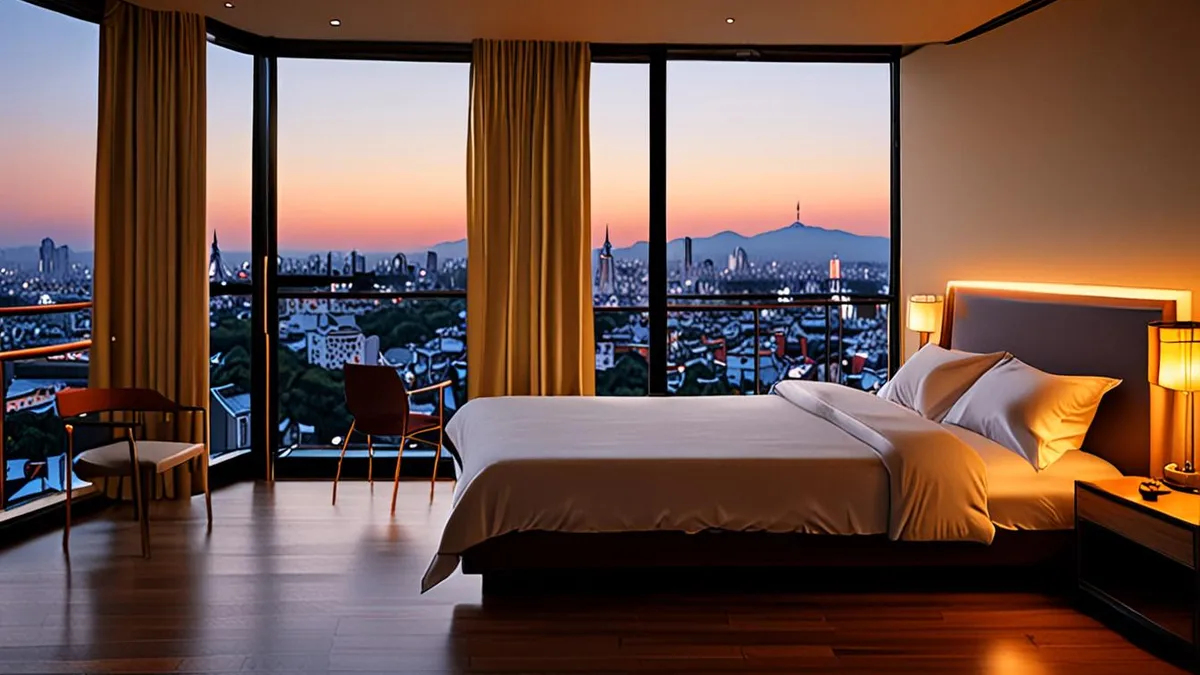
Western hotels in Kyoto trade ritual for flexibility, and for many travelers that is exactly the right trade. You can check in late after a day of temple-hopping, skip a formal dinner and grab noodles whenever you like. There is no fixed mealtime pulling you back to the property, which matters when you are packing temples, Nishiki Market and an evening walk through Gion into a single day.
Comfort for longer stays
If you are staying 3-5 nights, a proper mattress and a pillow you like make a real difference. Hotel rooms also come with reliable Wi-Fi and a desk, which matters if you need to work remotely for part of your trip. The typical hotel stay in Kyoto runs longer than the typical ryokan stay for good reason: the format suits extended sightseeing better.
Price range and booking ease
Hotels in Kyoto span roughly 12,000-30,000 yen per night for a double room, giving you a wider spread to work with than most ryokan. Chain hotels let you collect loyalty points, and availability is usually easier to find on short notice, making same-week booking far less stressful than it is with a traditional ryokan.
Kyoto Ryokan vs Western Hotel: Cost Comparison
On paper, a ryokan looks expensive, but the price includes more than a room. Mid-range ryokan in Kyoto typically runs 25,000-60,000 yen per person per night, and that usually covers dinner and breakfast. To compare fairly, add up what you would spend on two restaurant meals per day at a hotel, then subtract it from the ryokan rate. A good kaiseki dinner alone can cost what a casual traveler spends on an entire day of eating.
Running the hotel numbers
A hotel double room at 12,000-30,000 yen looks like the budget winner, but the gap narrows fast. Add dinner at a decent restaurant plus breakfast for two people, and the per-night total can approach ryokan pricing, especially if you eat well. The honest comparison is not room rate versus room rate; it is the full cost of an evening and morning at each.
When luxury ryokan is worth it
Luxury kaiseki ryokan can exceed 80,000 yen per person per night, which puts it firmly in splurge territory. Rather than stretching your whole trip around that rate, treat it as one dedicated night: book it for the highlight of your stay, then move to a hotel for the rest. You get the full ryokan experience at its best without the cost multiplying across your entire visit.
When to Book Each Stay Type
Kyoto is one of those cities where the calendar decides everything, and nowhere is that more obvious than in booking lead times. The two peak windows, autumn foliage and cherry blossom season, fill up months in advance, and ryokan rooms disappear faster than hotel rooms every time.
For autumn colors, plan well ahead. The leaves typically peak from mid-November to early December, which is exactly when Kyoto’s kaiseki kitchens design special seasonal menus and when the most atmospheric rooms, the ones facing garden maples, get claimed first. A good rule of thumb is to reserve your ryokan 3-6 months ahead for this period. If you wait until October, expect slim pickings or eye-watering prices.
Cherry blossom season runs from late March to early April, and it behaves a little differently: here, both ryokan and hotels sell out, not just the traditional stays. Book 4-6 months out for either type. Because the exact bloom dates shift each year, lock in a refundable rate if you can and confirm cancellation terms before committing.
Here is a quick breakdown of how the booking windows differ:
- Autumn foliage ryokan stays: reserve 3-6 months ahead, since rooms with garden views and kaiseki dinners with seasonal menus sell out first.
- Cherry blossom season, any stay type: book 4-6 months in advance, whether you want a ryokan or a hotel, and favor flexible rates in case bloom timing shifts.
- Shoulder months like June and January: hotels can often be booked just 2-4 weeks ahead, which makes them a reliable fallback for late planners.
Location: Where Each Stay Type Puts You
Where you sleep in Kyoto shapes how much time you spend on buses versus on foot, so it pays to match your neighborhood to your plans. The city is compact, but traffic around the main sights can be slow, and that adds up over a day of temple-hopping.
Where ryokan put you
Ryokan cluster heavily in Higashiyama and Gion, the atmospheric eastern districts lined with wooden machiya houses, temples and lantern-lit lanes. The trade-off is distance from the station: expect roughly 15-20 minutes by bus or train from Kyoto Station to Gion or Higashiyama. In exchange, you can often walk out your door and reach Kiyomizu-dera, Yasaka Shrine or the Philosopher’s Path without touching public transport, which is exactly what you want for early-morning or after-dinner strolls.
Where hotels and Arashiyama fit in
Hotels concentrate around Kyoto Station, which makes them ideal if you plan Shinkansen day trips to Nara or Osaka, and along the Karasuma subway line, where business-style convenience means quick connections and plenty of dining options nearby. This positioning favors travelers who value speed over atmosphere.
Arashiyama, on the city’s western edge, offers a quieter ryokan setting with bamboo groves and riverside walks. It works best as a one-night escape from central sightseeing rather than a base for the whole trip, since getting back to the eastern temples takes time.
Matching the Stay to Your Trip Style
The best answer for most travelers is not ryokan or hotel, it is both. The common hybrid for first-time visitors is one or two nights in a ryokan plus three to five hotel nights. You get the kaiseki dinner, the tatami calm and the futon ritual once, then spend the rest of your trip in a bed with a proper mattress and the freedom to eat when you like. This split also spreads your budget sensibly, since the ryokan night is the splurge and the hotel nights keep the average nightly cost reasonable. It works best when you place the ryokan early in the trip, while you still have energy for the ritual, and keep the hotel for the days packed with temples and walking.
If shared baths give you pause, you have options. Some people simply prefer bathing alone, and many ryokan have policies about tattoos in communal onsen that catch visitors off guard. Booking a room with a private bath, either an en suite soak or a reservable family bath, solves both issues, though it usually adds to the nightly rate, so confirm what is included before you reserve. Ask specifically whether the private bath is in the room or a separate space you reserve by the hour, since the two are priced quite differently.
A few pointers on matching the stay to your travel style:
- Families with young children: hotels usually fit better, since connecting rooms, flexible meal times and elevators beat futons on tatami and a fixed dinner seating.
- Heavy sightseeing itineraries: a hotel near Kyoto Station or the Karasuma line keeps early departures and late returns painless, with no check-in deadline hanging over your day.
- Couples on a shorter trip: a single kaiseki night delivers the most memorable evening of the trip, especially if you time it during autumn foliage or cherry blossom season.
- Travelers with tattoos: look specifically for ryokan advertising private baths, since communal onsen commonly restrict visible tattoos.
Wrapping Up Your Kyoto Stay Choice
So which stay fits your Kyoto trip? If you want ritual, multi-course meals and tatami calm, a ryokan delivers all three, with dinner and breakfast typically bundled into the rate. If you value flexibility, familiar beds and late dinners after long sightseeing days, a western hotel covers that from about 12,000-30,000 yen per night for a double room.
Timing matters as much as the choice itself. Ryokan for autumn foliage season often need booking 3-6 months ahead, while cherry blossom season fills up 4-6 months in advance for both stay types. For most first-time visitors, the hybrid plan works best: one or two ryokan nights for the experience, then hotel nights for the rest of your itinerary. Have you stayed in a Kyoto ryokan, or are you still deciding? Leave a comment with your pick, or share this article with a travel partner.