You want a night under the stars, but the glamping vs camping question keeps stalling the plan. One option means a tent, a sleeping pad and a cooler you haul yourself; the other means showing up to a furnished tent with a real bed already made. Both get you outdoors, yet they cost, feel and book very differently.
This guide breaks the decision down piece by piece. We’ll define what each style actually involves, compare the real costs including gear, look at the comfort you can expect at each, cover when and how far ahead to book, and help you match the style to your trip. We’ll finish with a simple budgeting plan for your first outdoor stay and a bottom-line verdict. By the end, you’ll know exactly which option fits your budget, your comfort threshold and how often you actually get outside.
What Glamping and Camping Actually Mean
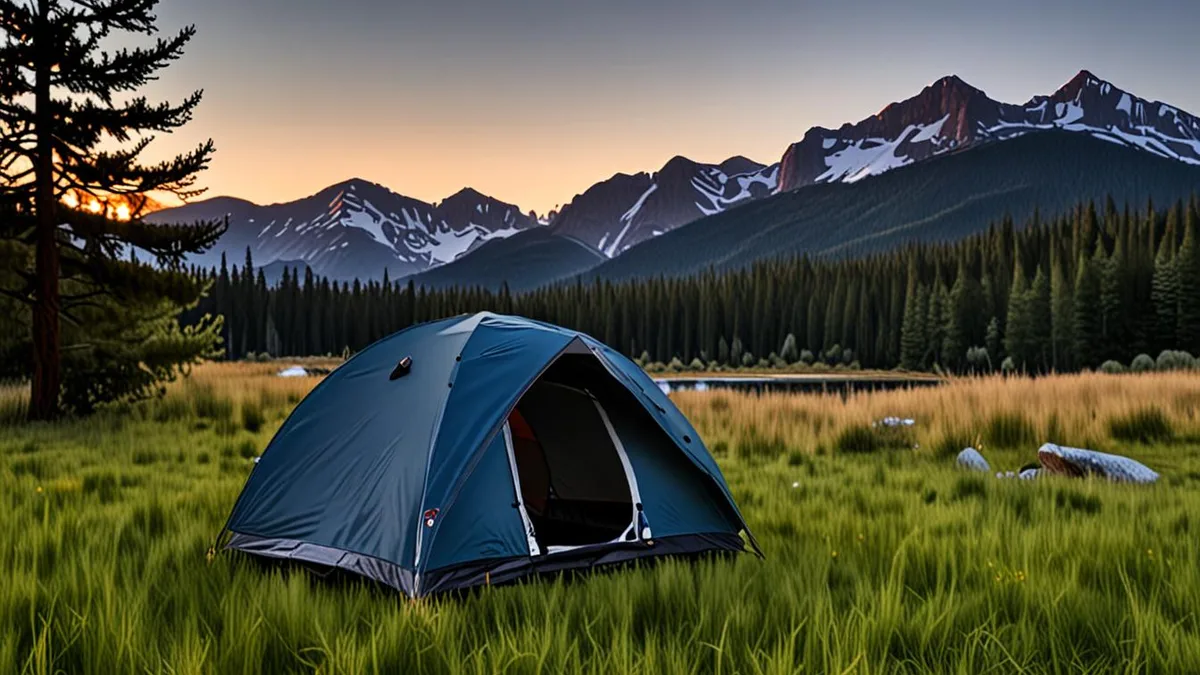
Camping, in the traditional sense, means you bring everything yourself. That includes your shelter, whether it’s a backpacking tent or a roomy family dome, plus sleeping bags or pads, a stove or grill setup, cookware, a cooler and a lantern. You arrive at a campsite with a patch of ground, maybe a picnic table and a fire ring, and you build your temporary home from there. When the trip ends, you pack it all back into the car.
Glamping flips that equation. Instead of setting anything up, you arrive at a structure that’s already standing and already furnished: a safari tent with a wooden deck, a yurt, a small cabin or a geodesic dome. Beds, linens, lighting and often furniture are part of the deal, so the operator handles everything from construction to cleaning between guests.
The core difference: who does the work
Strip away the marketing language and the distinction comes down to one question: who handles setup? With camping, you do. That’s part of the appeal for many people, and part of the hassle for others. With glamping, the operator does, and you pay for that convenience in the nightly rate. Neither approach is better in absolute terms. A seasoned camper might find a furnished tent limiting, while someone who has never pitched a tent might see a yurt as the perfect low-stakes entry point to sleeping outdoors. Understanding this basic split makes every other comparison, from cost to comfort, much easier to weigh.
Cost Breakdown: Glamping vs Camping
The price gap between these two styles looks enormous at first glance, but the full picture is more nuanced. A basic campground tent site in the US typically runs $15-$40 per night, which sounds almost free until you account for equipment. A starter gear setup for two, covering a tent, sleeping bags, pads, a stove and the basics, commonly costs $300-$600 upfront. Glamping, by contrast, typically ranges from $100-$400+ per night depending on the setup and location, but requires no gear purchase at all.
Run the math and glamping starts to look different. Once you’ve spent a few hundred dollars on equipment, the gear investment equals roughly 3-4 camping trips worth of nights. From that point on, camping’s low nightly rate wins clearly. Before it, a single glamping trip can actually cost less than buying everything you’d need to camp comfortably.
Ways the costs shift
- Shoulder season discounts: Booking in May, September or October often cuts glamping rates by 20-40%, which can bring a furnished tent close to the price of a mid-range hotel room instead of far above it.
- Gear as a long-term asset: Camping equipment doesn’t expire after one trip. Spread that $300-$600 across years of outings and the per-trip cost of camping keeps shrinking with every use.
- Location drives glamping pricing: A canvas tent near a popular national park sits at the top of the $100-$400+ range, while the same structure in a quieter rural area can cost far less for the same experience.
The practical takeaway: compare total trip cost, not just the nightly rate, and check current prices directly with operators since rates vary widely by property and season.
Comfort: What You Get at Each Stay
Comfort is where the two styles genuinely diverge. A glamping stay typically includes a real bed with linens, lighting you don’t have to rig yourself and, at many properties, a private bathroom. You walk in, set down your bag and you’re done. There’s no air mattress to inflate, no headlamp hunt for the flashlight and no midnight walk to a bathhouse in the rain.
Camping asks more of you in exchange for a lower price and a more hands-on experience. Your bed is a sleeping pad or air mattress inside a sleeping bag, cooking is self-managed on a stove or fire, and bathrooms are shared bathhouses at the campground. For many campers, that’s not a hardship, it’s the point. There’s real satisfaction in a well-run camp kitchen and a hot meal you cooked yourself under the trees.
How each handles bad weather
Weather resilience is another meaningful difference. Solid glamping structures, especially cabins and domes on hard platforms, handle rain, wind and cold nights far better than a basic tent. Many come with heating or at least insulation that keeps the interior usable when temperatures drop. A standard tent, even a good one, offers thin fabric between you and the elements, and a steady overnight rain can soak gear, muddy the campsite and test anyone’s enthusiasm. If your travel dates might include storms or chilly nights, that structural advantage matters more than any amenity list. Check what climate control each glamping property offers before booking, since setups vary widely, and pack layers regardless of which style you choose.
When and How Far Ahead to Book
Timing can make or break your outdoor trip, both in terms of snagging a spot and what you pay for it. In most US regions, peak season runs from late May through early September, when school is out and the weather is at its most reliable. That window is when campgrounds and glamping sites fill up fastest, and when prices sit at their highest.
If your heart is set on a summer weekend, plan ahead. Popular campgrounds and glamping sites often need booking 2-6 months in advance, and some of the most sought-after locations release reservations on a set day and sell out within hours. Set a calendar reminder for the booking window rather than checking casually and hoping something opens up.
Shoulder season is the easier path. Trips in May, September and October are typically simpler to book last-minute, and many glamping operators cut their rates noticeably outside the summer rush. You trade some warmth and long daylight hours for quieter sites, easier reservations and real savings, which matters most if you are eyeing one of the pricier accommodations.
- Check whether your chosen campground uses a rolling booking window, since many state and national systems open reservations a fixed number of days or months ahead rather than year-round.
- Midweek stays are usually the first to have openings, so if your schedule is flexible, Tuesday through Thursday nights are far easier to land than Fridays and Saturdays.
- Cancellation policies differ widely between campgrounds and glamping operators, so read the terms before paying, especially for pricier glamping units where a change of plans costs more.
- Holiday weekends like Memorial Day and Labor Day behave like peak-of-the-peak, so treat those dates as needing the earliest possible booking rather than the standard summer lead time.
Which Style Fits Your Trip
The honest answer depends on how you like to travel, not on which option is objectively better. Camping rewards people who genuinely enjoy the process: pitching the tent, building a fire, cooking dinner in a cast iron pan and waking up on a sleeping pad with stiff shoulders and a good story. If you travel outdoors often enough to reuse your gear, that upfront investment keeps paying you back trip after trip.
Glamping makes sense for different situations. It shines on one-off special trips, like an anniversary weekend or a milestone birthday, where you want the outdoors without the logistics. It is also a practical choice for travelers with limited mobility, since climbing in and out of a low tent is genuinely difficult for some people. And if your partner flat-out refuses to sleep on the ground, a real bed in a solid structure can be the difference between a shared trip and a solo one.
A note for families
Families with young kids often start with glamping, and for good reason. Toddlers and preschoolers are unpredictable sleepers, and a furnished tent or cabin removes a layer of stress from an already demanding trip. As kids grow and everyone gets more comfortable outdoors, many families transition to traditional camping, which costs far less per night once the gear is in the garage.
The same logic applies to other big decisions where you weigh upfront effort against long-term payoff, whether that is choosing a home or planning years of travel. If you want a framework for thinking that way, this mortgage buying guide for a clearer path to homeownership breaks down a similar tradeoff in a different context.
Budgeting for Your First Outdoor Stay
Your first outdoor stay costs more than the nightly rate, and knowing that upfront keeps the trip from surprising you. The math looks completely different depending on which style you pick, so let’s break down both.
First-time camping budget
If you are starting from zero, budget for a full starter gear setup for two people on top of your site fees. That covers the essentials: a tent, sleeping bags, sleeping pads, a cooler, a camp stove or cooking basics, and a lantern or headlamps. Remember that this is a one-time purchase that gets spread across every future trip, so a $40 campsite looks much cheaper on your fifth outing than on your first.
One practical tip: borrow gear for your very first trip if you can. That lets you test whether camping suits you before committing several hundred dollars to equipment that might end up gathering dust in the garage.
First-time glamping budget
Glamping is simpler to budget because the nightly rate is nearly the whole story. Plan for the rate itself plus travel costs, and you are done. There is no equipment to buy, no forgotten items to replace at a roadside store, and no hidden gear expenses waiting for you. The tradeoff is that every trip carries that full nightly rate again.
Whichever way you lean, treat the decision like any other purchase and add everything up before you commit. A cheap campsite plus a pile of new gear can cost more than a glamping night on trip one, and far less by trip four. Run the numbers for how often you actually plan to go, and the right choice usually becomes obvious.
The Bottom Line on Glamping vs Camping
So which one fits you? If you camp regularly and enjoy the setup process, tent camping wins on cost per night and long-term value, especially once your gear has paid for itself. If you’re planning an occasional special trip and want a real bed and solid walls, glamping wins on comfort and convenience.
The right choice comes down to three things: your budget, how often you get outside and your comfort threshold. Match the style to those and you’ll get the night under the stars you were after, whether that means a sleeping pad or a proper mattress. If this helped you decide, leave a comment or share the article with a friend.