Every family knows the disappointment: the villa looked perfect in the photos, but on arrival the bedrooms are cramped, the nearest supermarket is an hour away, and the final bill includes fees nobody mentioned. A villa for your family holiday can be the best accommodation choice you make, or the one that causes the most stress, depending entirely on how you choose it.
This guide walks you through the decisions that matter, starting with fixing your dates, group size and non-negotiables before you even open a listing. We will look at how much space and how many bathrooms your family really needs, whether countryside calm or coastal convenience suits you best, and the family-friendly features worth checking before you pay. Then comes honest budgeting beyond the nightly rate, smart timing for your reservation, and a short checklist to bring it all together so you can book with confidence.
How to Choose the Right Villa for Your Family Holiday
The most common mistake families make is browsing listings before they know what they actually need. Fix your travel dates and your group size first, because both drive price and availability more than anything else. A villa that costs €1,200 in May may be out of reach in August, and a three-bedroom house that fits four adults will not stretch to six with a toddler in tow.
Decide your non-negotiables early
Before you search, write down the two or three things you will not compromise on. For some families that means a private pool; for others it is an enclosed garden so toddlers can play safely, or walking distance to a village so you can skip the evening drive. Knowing these in advance keeps you from falling in love with a beautiful villa that fails on the one thing your family cannot do without.
Next, set a total weekly budget. European family villas commonly range from €800-€3,000 per week, so filter listings to that range from the start. This saves hours of scrolling and keeps you realistic about what your money buys in each region, since the same budget goes much further inland than on a popular coast.
Size and Layout: Matching the Villa to Your Family
Space is where family villas most often disappoint. For a family of four, plan for at least 2-3 bedrooms and roughly 100-120 m² of living space. Anything smaller and you will feel the squeeze within a day or two, especially if the weather keeps everyone indoors. Check the floor plan, not just the photo count, because a villa can look spacious online while the third “bedroom” turns out to be a sofa bed in a corner.
Bathrooms matter just as much as bedrooms. If you are traveling with teenagers or grandparents, multiple bathrooms are essential to avoid the morning bottleneck where everyone queues for one shower. Two or three bathrooms transform the pace of a family morning.
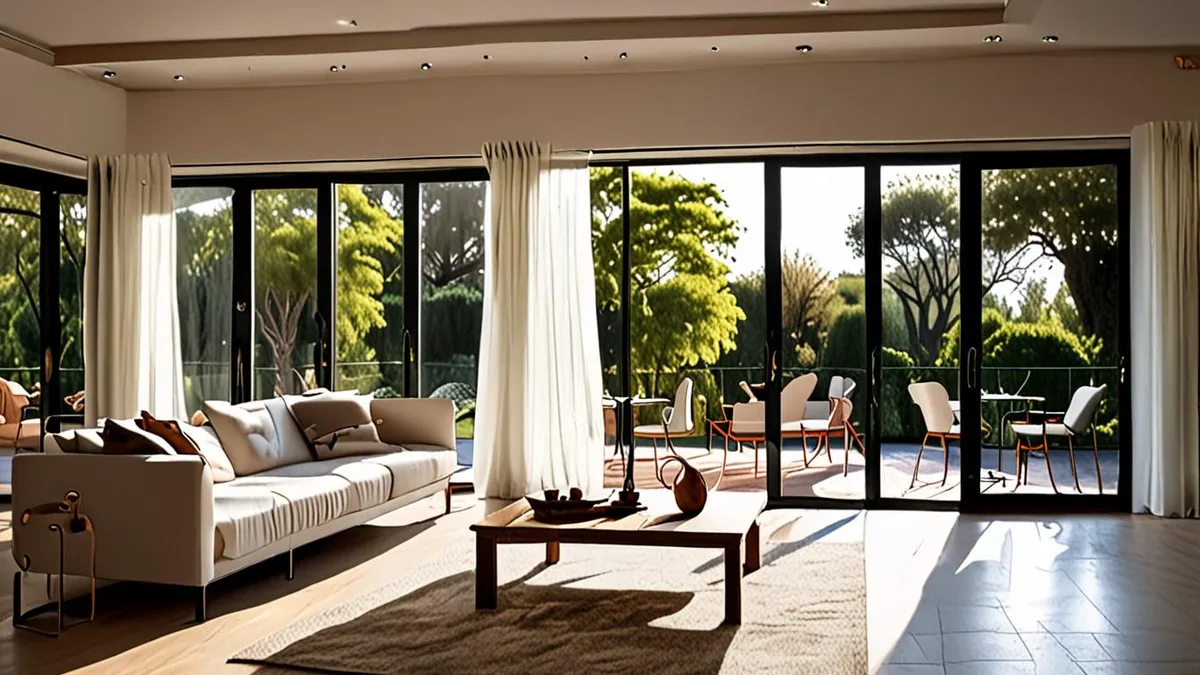
Finally, favor villas designed for groups to spread out. Open-plan living areas let adults relax while children play nearby, and covered outdoor terraces give you extra usable space for meals and downtime. If you are drawn to quiet, nature-focused settings, it helps to see what a well-laid-out countryside property looks like — Black Forest villas for quiet holidays are a good example of how layout and setting work together. Use this checklist when comparing layouts:
- Bedroom locations: a ground-floor bedroom lets grandparents or parents of babies avoid stairs at night, while bedrooms at opposite ends of the villa give teens their own zone.
- Living space per person: in a 100-120 m² villa for four, check that the living room and kitchen together make up a generous share, not just corridors and bedrooms.
- Terrace access: covered terraces that open directly from the living area effectively double your daytime space and keep meals outside during warm evenings.
- Window and shade orientation: bedrooms facing away from the afternoon sun stay cooler, which helps children sleep in summer.
Location: Countryside Calm or Coastal Convenience
Location decides how your holiday days actually unfold. A villa in beautiful isolation can turn every trip for bread or a swim into an expedition, so aim for a 20-30 minute drive to beaches, supermarkets and restaurants. That distance balances peace with practicality: you get quiet evenings and open views without spending half the day in the car.
Countryside escapes
Countryside regions like the Black Forest suit quiet, nature-focused holidays, with hiking trails often starting right from the doorstep. Days revolve around walks, forest air and village dinners rather than beach logistics, which suits families with older children or those who want a genuine change of pace.
Andalusian country villas offer a similar calm with warmer weather, and the advantage of whitewashed villages and weekly markets within short drives. You get the space and privacy of a rural property while keeping easy access to fresh produce, tapas bars and local life.
Whichever setting you choose, look at a map before booking rather than trusting the listing description. Check the actual driving distance to your nearest beach, a full supermarket and a restaurant that suits children, and be honest about how many times a day you are willing to drive. A villa that looks remote on a map may be five minutes from a lively town, or genuinely an hour from everything; the difference shapes your whole week.
Family-Friendly Features to Check Before You Book
The difference between a dream villa and a stressful one usually comes down to the details listed in the description, not the photos. Before you get attached to a property, confirm the practical features your family actually needs, and ask the owner or agent directly if anything is unclear. A villa that looks perfect for adults can quickly feel awkward with a toddler in tow.
Climate control matters more than many travelers expect. In southern Europe, a villa without air conditioning can make July nights miserable, especially for babies and light sleepers. Conversely, a spring or autumn break in the mountains calls for proper heating. And when the weather turns, dependable Wi-Fi becomes the difference between a cozy movie evening and a household mutiny.
Pools deserve special attention. Check whether the pool is private or shared with other guests, since a private pool adds roughly 15-30% to the weekly price. For some families that privacy is worth every euro; for others, a shared pool is a fine trade-off.
- Cot and high chair: Ask whether these are included free or rented separately, and confirm the cot is a proper infant cot rather than a folding travel model.
- Pool safety: Look for pool fencing, a locked cover, or a clearly marked shallow area, and check how far the pool sits from the terrace door.
- Stair gates: If the villa has an open staircase or split levels, confirm gates can be fitted or supplied before you arrive.
- Wi-Fi quality: Ask about connection strength in bedrooms as well as the living room, since streaming on a rainy evening is a common family test.
- Heating and cooling: Confirm whether air conditioning is in all bedrooms or only the living area, and whether heating carries a surcharge in cooler months.
Budgeting Beyond the Nightly Rate
The nightly rate is only the starting point of your villa budget. Many listings advertise an attractive base price, then add extras at checkout that quietly change the math. Before you confirm, read the terms carefully for cleaning fees, utility charges and linen hire. When these are billed separately, they can add a noticeable percentage to your total, so a villa that includes everything in one price may genuinely work out cheaper than one that looks less expensive on the surface.
Security deposits are another line item to plan for. These typically range from €200-€1,000 depending on villa size, and they are usually refunded within a week or two of your departure if nothing is damaged. Check whether the deposit is taken as a hold on your card or as a full payment, since a large hold can affect your available credit while you are traveling. Photograph the villa on arrival and at departure to make any dispute over damage straightforward.
The hidden cost of a remote location
Countryside villas often have no walkable amenities, which makes a hire car essential rather than optional. Rental rates typically run around €30-€60 per day depending on the season and vehicle size, so add a full week of car hire to your budget before comparing prices with walkable coastal locations. Factor in fuel as well, since daily trips to the supermarket or beach can add up over a fortnight. If the villa offers airport transfers, compare that cost against a full rental before deciding.
Once you total the deposit, cleaning fees, car hire and any separately charged extras, you will have a realistic picture of what your week actually costs. Doing this math early keeps you from falling for a villa you cannot actually afford, and it makes comparing listings far easier.
When to Book: Timing Your Villa Reservation
Villa availability is seasonal in a way hotel rooms rarely are. The best family properties, with private pools, enclosed gardens and multiple bathrooms, are limited in number, and they sell out first for June-August peak weeks. If school holidays dictate your dates, plan to book 6-9 months ahead. Waiting until spring usually means choosing from the leftovers, often at higher prices, and the villas that suit a family of four best are usually the first to go.
If your dates are flexible, the shoulder seasons of April-May and September-October reward you twice over. Rates typically run 20-40% lower than peak summer, and popular regions feel noticeably calmer. Sea temperatures can still be pleasant early in autumn, and attractions that require queueing in August are easy to visit. For families with children not yet in school, these windows are often the sweet spot: better weather than winter, quieter beaches and more negotiating room with owners.
Whatever your timing, protect yourself against changing family plans. Review the cancellation terms before paying, and set price alerts on the listings you like so you can move quickly if a rate drops. A little flexibility on arrival dates, even shifting by a day or two, can also open up availability on properties that look fully booked at first glance.
- Flexible cancellation: Look for bookings that allow changes up to a few weeks before arrival, especially when traveling with young children whose plans can shift.
- Deposit stages: Many villa owners take a booking deposit first with the balance due closer to arrival, which spreads the cost and reduces upfront risk.
- Price alerts: Set them on specific properties rather than whole regions, since the villa that fits your family exactly is the one worth watching.
- Travel insurance: Arrange cover at the time of booking so that cancellation terms and insurance work together if plans change late.
Bringing It All Together
The villa that photographs beautifully online is not always the villa that works in real life. Too little space, a location that turns every beach trip into a long drive, or hidden costs that quietly eat into the holiday budget — these are the usual reasons a family villa disappoints. The fix is simple: match the villa to your family size, your budget of €800-€3,000 per week and your preferred setting, whether that is countryside calm or coastal convenience.
Checking family-friendly features, understanding the true costs beyond the nightly rate, and booking 6-9 months ahead for peak summer weeks turn a risky choice into a confident one. Do that, and the villa becomes the foundation of a holiday everyone remembers for the right reasons. If this guide helped you plan your trip, leave a comment or share it with another family planning their escape.